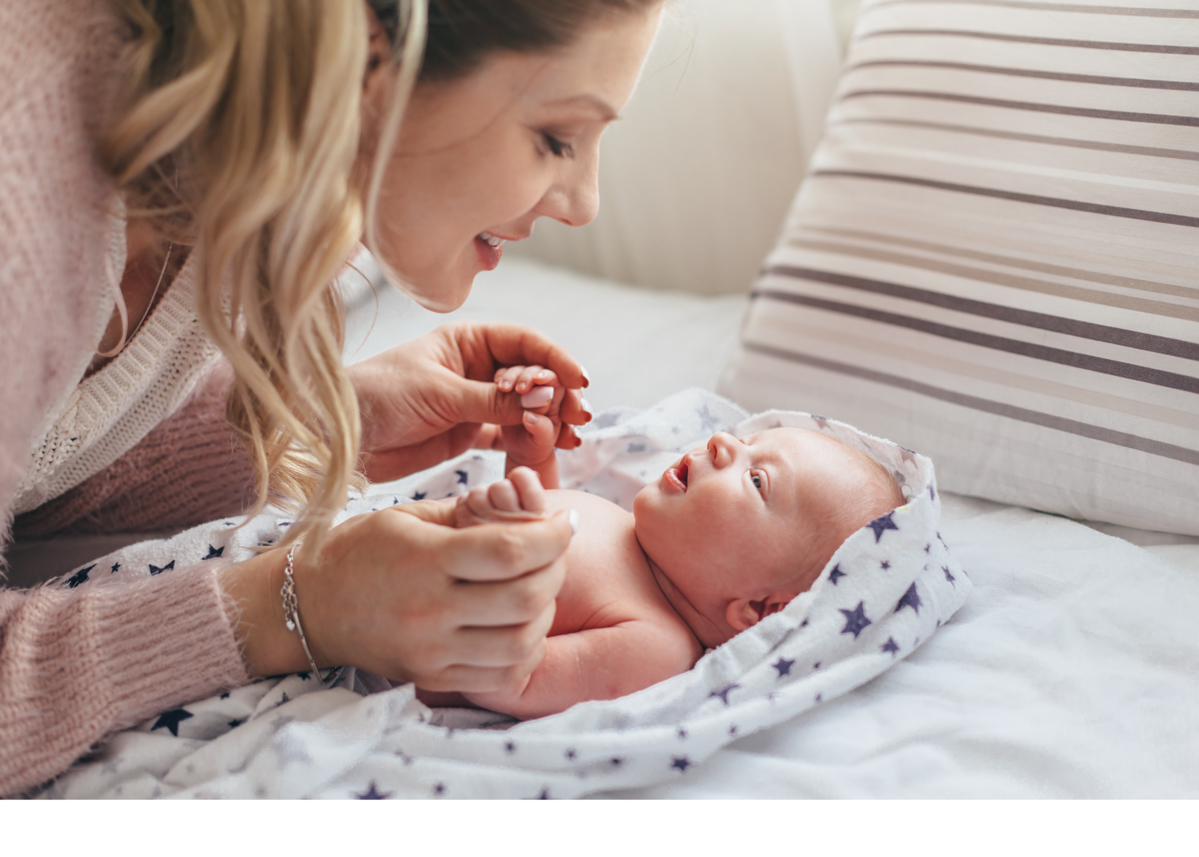
When Do Babies Make Eye Contact?
One of the first magical moments in early parenthood is when your baby looks into your eyes — and holds your gaze.
Eye contact is more than sweet. It’s an important early social and developmental milestone. If you’re wondering when babies start making eye contact, here’s what to expect.
For a broader view of how social skills unfold across the first year, see our Baby Milestones by Month: 0–12 Month Guide.
When Does Eye Contact Begin?
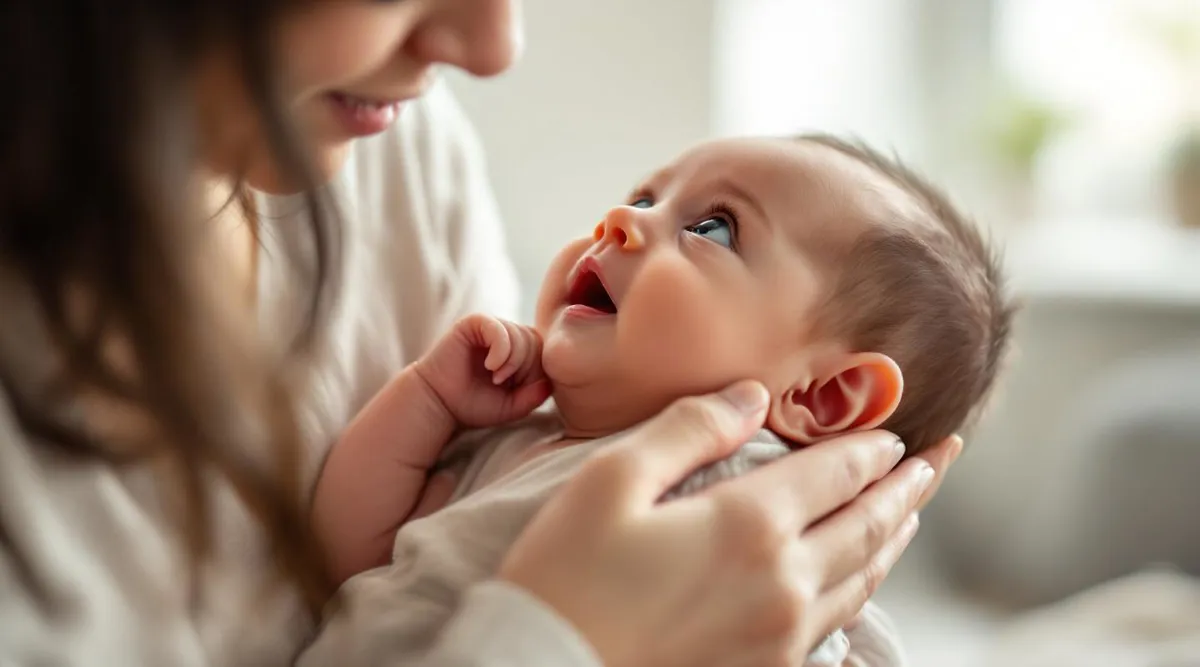
Most babies:
- Briefly focus on faces from birth (especially at close range)
- Start making more intentional eye contact around 6–8 weeks
- Sustain eye contact for longer periods by 2–3 months
In the early weeks, your newborn’s vision is still developing. They see best about 8–12 inches away — which happens to be the perfect distance during feeding.
Why Eye Contact Matters

Eye contact helps your baby:
- Build emotional connection
- Develop early communication skills
- Learn to read facial expressions
- Strengthen brain pathways related to social interaction
When you lock eyes with your baby and smile, you’re helping wire their brain for connection.
How to Encourage Eye Contact
You don’t need flashcards or special tools. Simple face-to-face time is powerful.
Try:
- Holding your baby close during feeds
- Getting down at their level during tummy time
- Talking and smiling slowly so they can study your face
- Limiting background distractions during alert times
Follow your baby’s cues. If they look away, they may just need a short break.
When to Check In With Your Pediatrician

There’s a wide range of normal, but consider mentioning it at your baby’s checkup if:
- There is little to no eye contact by 3 months
- Your baby doesn’t seem to track faces at all
- They don’t respond to familiar voices
Often, small variations resolve naturally. When concerns do arise, early support is incredibly helpful.
Eye contact is one of the first building blocks of communication. Tracking these small but meaningful changes can help you see just how much your baby is growing.
You can log social milestones and get personalized developmental insights with the NurtureWell app.