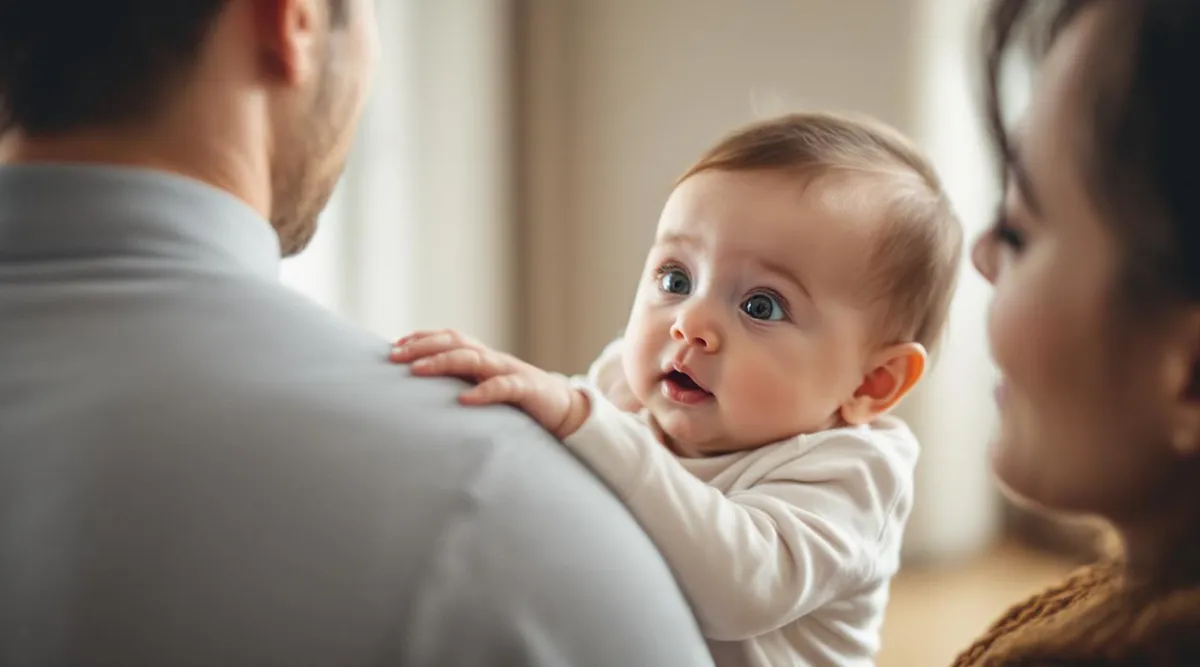
If your once-smiley baby suddenly clings to you and cries around new people, you might be wondering what changed.
The good news? Stranger anxiety is a healthy, normal part of development.
Here’s when it usually starts, why it happens, and how you can support your baby through it.
What Is Stranger Anxiety?
Stranger anxiety is when your baby becomes upset, cautious, or clingy around unfamiliar people.
It’s actually a sign of growing brain development. Around the middle of the first year, babies begin to:
- Recognize familiar caregivers
- Understand the difference between "known" and "unknown"
- Form strong attachment bonds
In other words, your baby isn’t being difficult — they’re learning who their safe people are.
For a broader look at how attachment and social skills grow over time, explore our guide to Social Milestones by Month: 0–12 Months.
When Does Stranger Anxiety Start?
Most babies begin showing stranger anxiety between 6 and 8 months old.
It often peaks around 8–10 months, when memory and attachment are stronger. Some babies experience it mildly, while others react intensely.
This phase can last into the toddler years, though it usually becomes less intense as your child gains confidence and language skills.
Why It Happens
Stranger anxiety is closely tied to two major developmental leaps:
1. Attachment
Your baby now knows who consistently meets their needs. That bond creates security — and a preference for you.
2. Object Permanence
Around this age, babies begin understanding that things (and people) exist even when out of sight. This makes separations feel more real and more emotional.
Both of these milestones are positive signs of healthy development.
How to Help Your Baby Through It
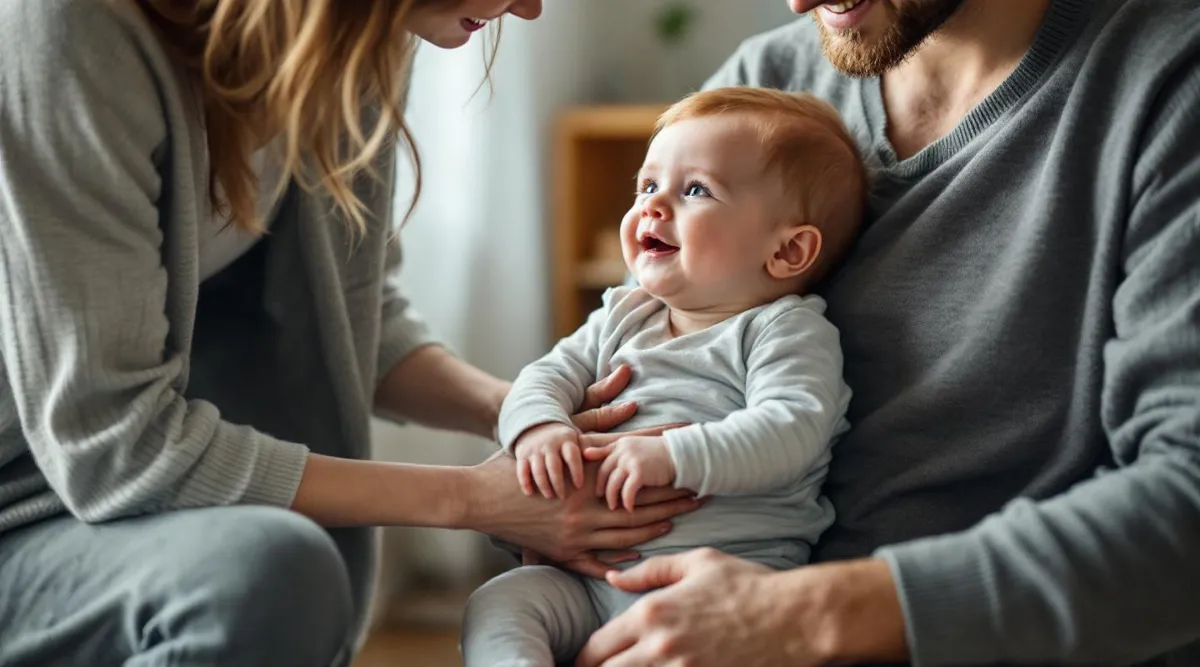
You can’t (and shouldn’t) eliminate stranger anxiety entirely. But you can make it easier.
Try these strategies:
- Stay calm. Babies read your emotional cues.
- Give warm introductions. Hold your baby while greeting someone new.
- Avoid forcing interaction. Let your baby warm up at their own pace.
- Practice short separations. Gradual exposure builds confidence.
- Keep routines consistent. Predictability increases security.
Over time, your baby will learn that new people can be safe too.
When to Be Concerned

Stranger anxiety is normal in the second half of the first year. However, mention it to your pediatrician if:
- Your baby never makes eye contact
- They show little interest in familiar caregivers
- They seem withdrawn in most situations
Most of the time, though, clinginess at this age is simply a sign that your baby loves and trusts you.
If you’d like to track emotional and social changes alongside physical milestones, the NurtureWell app makes it easy to see the full picture of your baby’s development.