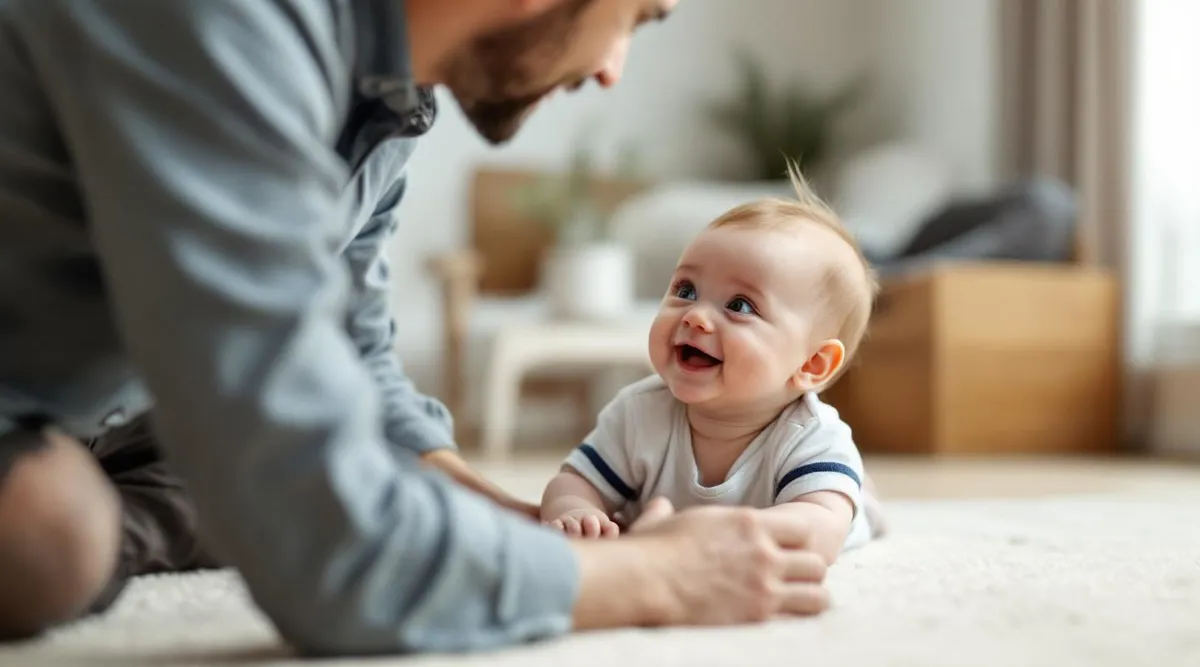
Social Milestones by Month: 0–12 Months
Your baby’s first smile. The way they light up when they see you. That tiny wave goodbye.
Social development in the first year is full of heart-melting moments — and it’s also one of the biggest areas parents quietly worry about.
In this guide, we’ll walk through social milestones by month from 0–12 months, explain what’s typical, and help you understand what really matters (and what doesn’t). Remember: there’s a wide range of normal, and your baby is not on a stopwatch.
0–3 Months: First Connections
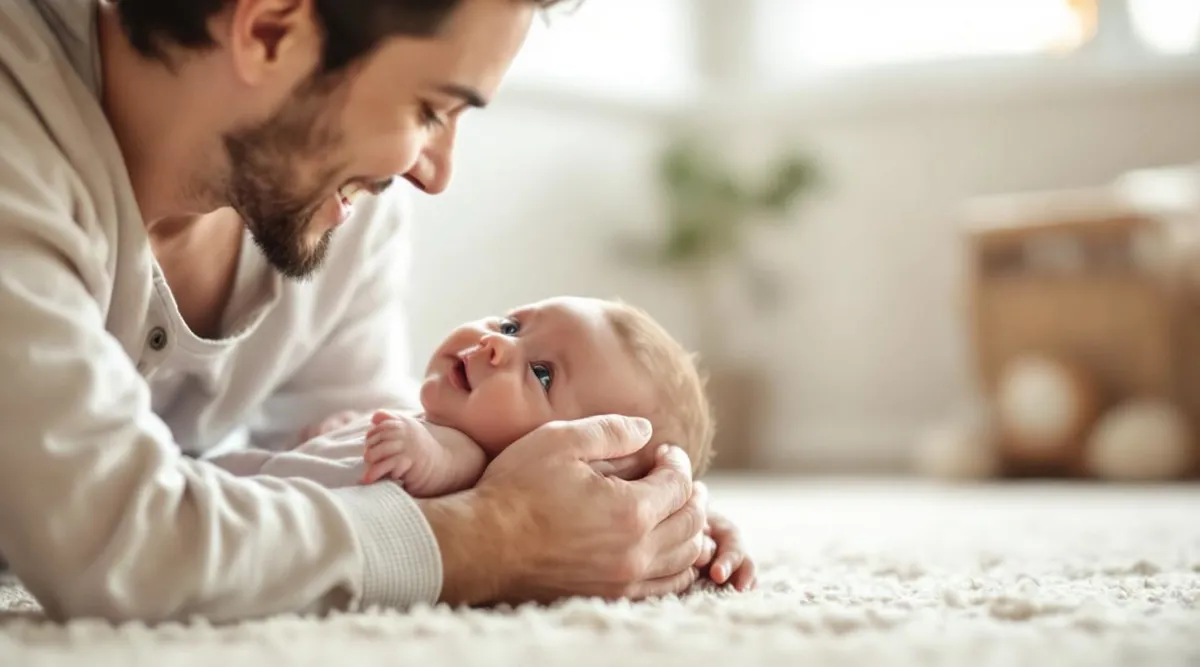
In the newborn stage, your baby is learning that the world is safe — and that you are part of it.
What you might notice:
- Brief eye contact
- Calming when they hear your voice
- Turning toward familiar sounds
- First social smiles (usually around 6–8 weeks)
At first, smiles may be reflexive (especially during sleep). But around 6–8 weeks, many babies begin offering true social smiles in response to your face or voice.
If you’re wondering about timing, you can read more in our guide to when babies start smiling.
How to support social development:
- Hold your baby face-to-face
- Talk in a warm, sing-song voice
- Mirror their facial expressions
- Respond when they coo or make sounds
These small interactions build the foundation for attachment and communication.
4–6 Months: Big Smiles & First Laughs
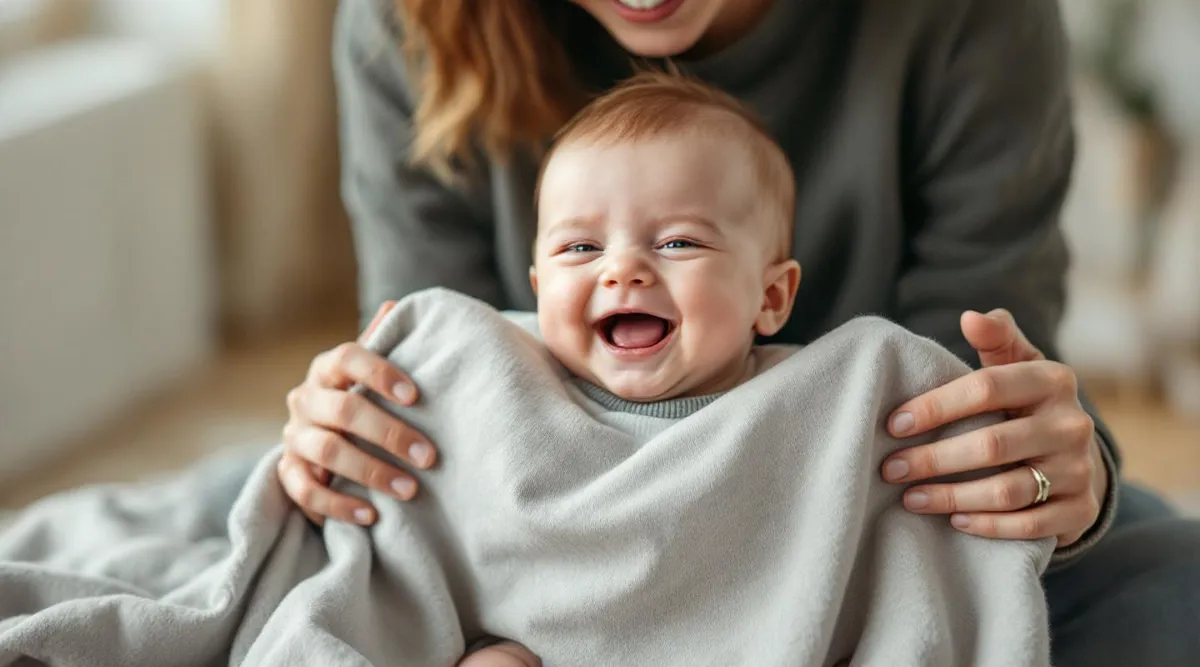
This stage often feels joyful and interactive.
Common milestones:
- Smiling easily at familiar people
- Laughing (often around 4–5 months)
- Making eye contact consistently
- Responding to their name (by 6 months, sometimes earlier)
Your baby is beginning to understand that interactions are two-way. They may pause to see how you respond, then smile again when you smile back.
If your baby isn’t laughing yet at 4 months, that’s okay. Some babies laugh closer to 5 or 6 months.
Try this:
- Play peekaboo
- Make gentle silly faces
- Pause during songs to let your baby anticipate what comes next
Anticipation and shared joy are big social learning moments.
7–9 Months: Attachment & Stranger Awareness
Around this age, social development becomes more obvious.
You may see:
- Clear preference for parents or primary caregivers
- Stranger anxiety
- Separation distress when you leave the room
- Looking to you for reassurance in new situations
This stage can surprise parents. A once-easygoing baby may suddenly cling to you or cry when someone new approaches.
This is not regression — it’s attachment.
Your baby now understands that you and they are separate people. And they care deeply about where you are.
Support strategies:
- Practice short separations
- Offer calm reassurance
- Let new people approach slowly
This phase is a healthy sign that your bond is strong.
10–12 Months: Social Skills Take Off
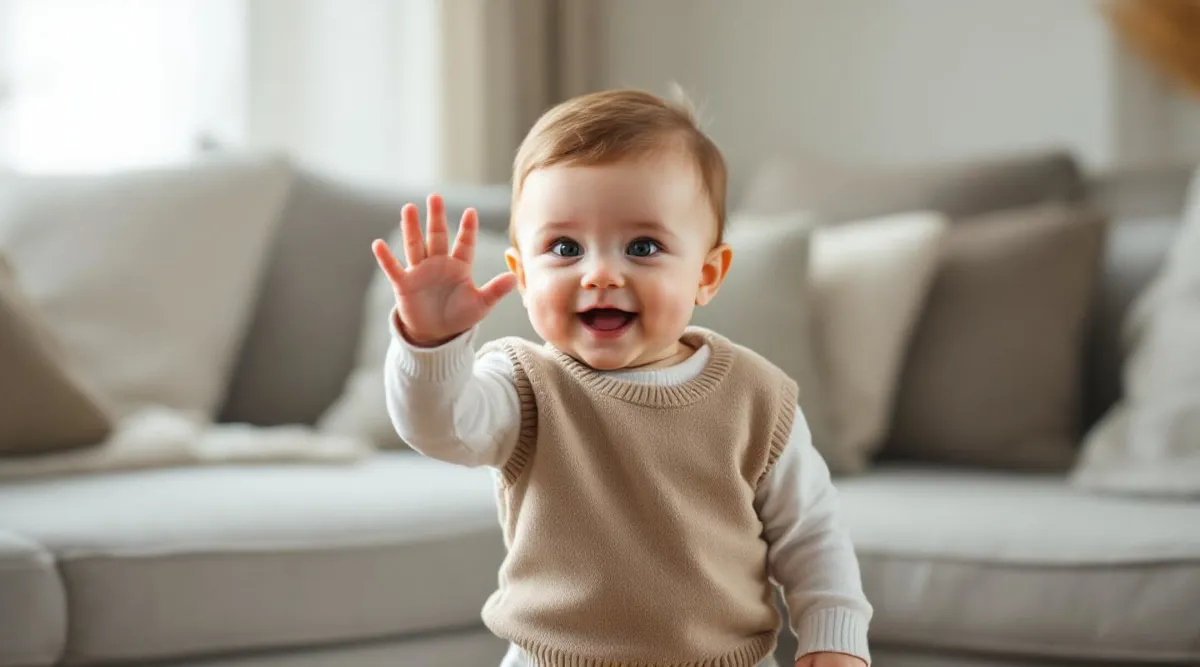
As your baby approaches their first birthday, social communication expands quickly.
Common milestones:
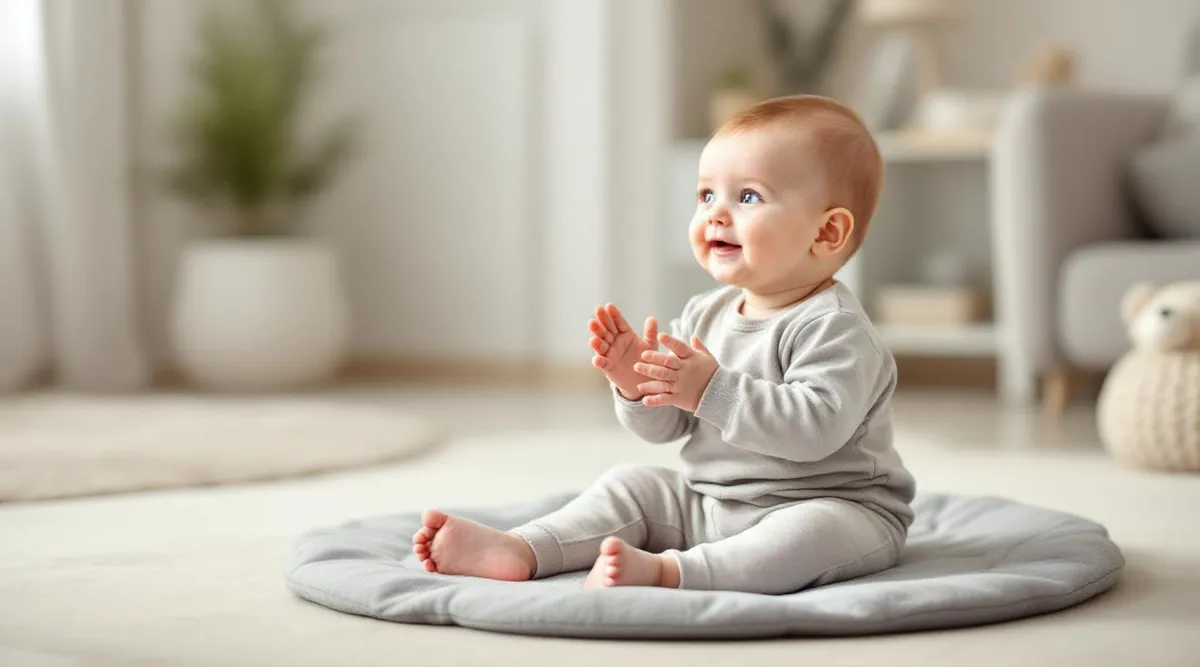
- Waving “bye-bye”
- Clapping
- Playing simple back-and-forth games
- Showing objects to you
- Looking where you point
Your baby is now understanding shared attention — meaning they can focus on something with you.
This skill is a major building block for language development.
You might also notice stronger opinions and emotions. That’s part of growing independence.
When to Check In With Your Pediatrician
Every baby develops at their own pace. Still, it’s worth mentioning concerns if your baby:
- Rarely makes eye contact by 3–4 months
- Doesn’t smile socially by 3 months
- Shows no interest in interaction by 6 months
- Doesn’t respond to familiar caregivers by 9 months
- Doesn’t use gestures (like waving or pointing) by 12 months
Most delays have simple explanations. Early conversations bring peace of mind.
Social Development Is About Relationship, Not Performance
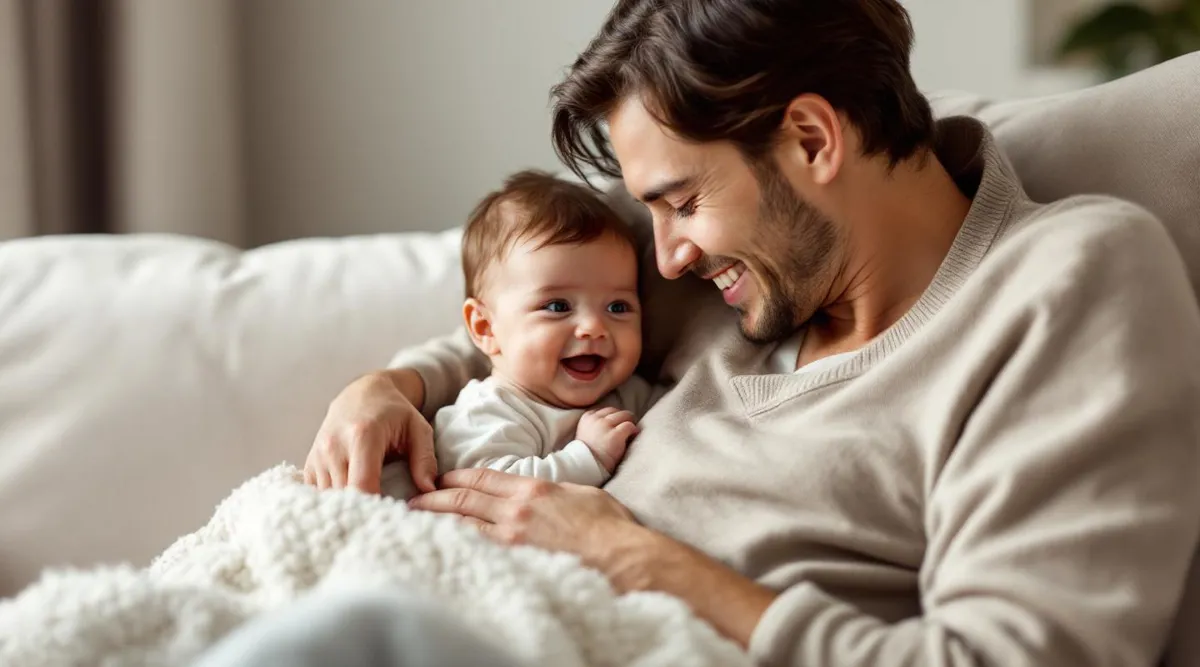
Your baby doesn’t need flashcards, special classes, or constant stimulation.
They need you.
The way you respond when they cry. The way you smile back. The way you show up, again and again.
Those everyday moments are what build social confidence.
Frequently Asked Questions
When do babies recognize their parents?
Many babies begin recognizing familiar caregivers within the first few months. Clear preference often appears between 6–9 months.
When do babies start laughing?
Most babies laugh between 4–6 months, though some start a little earlier or later.
Is stranger anxiety normal?
Yes. Stranger anxiety commonly begins around 7–9 months and is a healthy sign of attachment.
Should I worry if my baby is shy?
Temperament varies. Some babies are naturally cautious. What matters most is that your baby responds to familiar caregivers and engages over time.
Social development in the first year is full of beautiful moments — and lots of normal variation.
If you’d like a simple way to track social milestones alongside motor and language skills, you can monitor everything in one place with the NurtureWell app.